 Cup & Ratio
Perspectives
Why a simple cup of coffee can feel more special than a complicated one
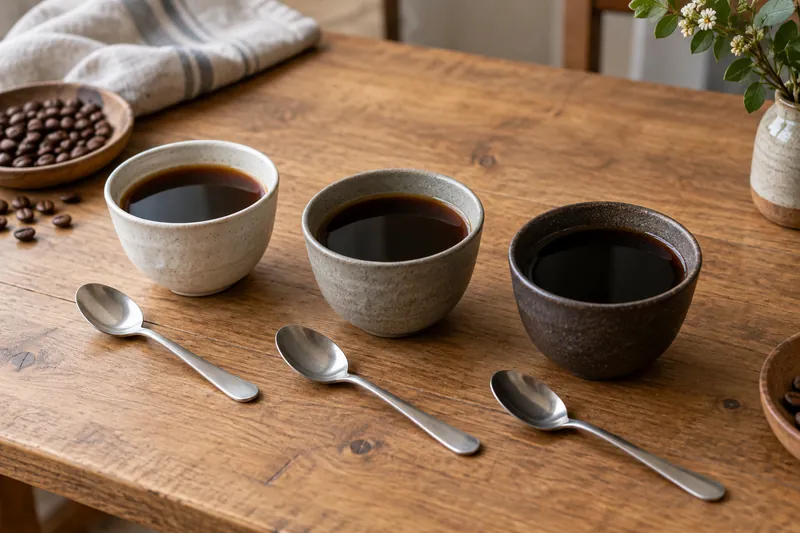
A considered cup is not necessarily an elaborate cup.
Perspective. An editorial reflection on preferences and everyday life. It does not report a survey or classify people by their tastes.
Before you start
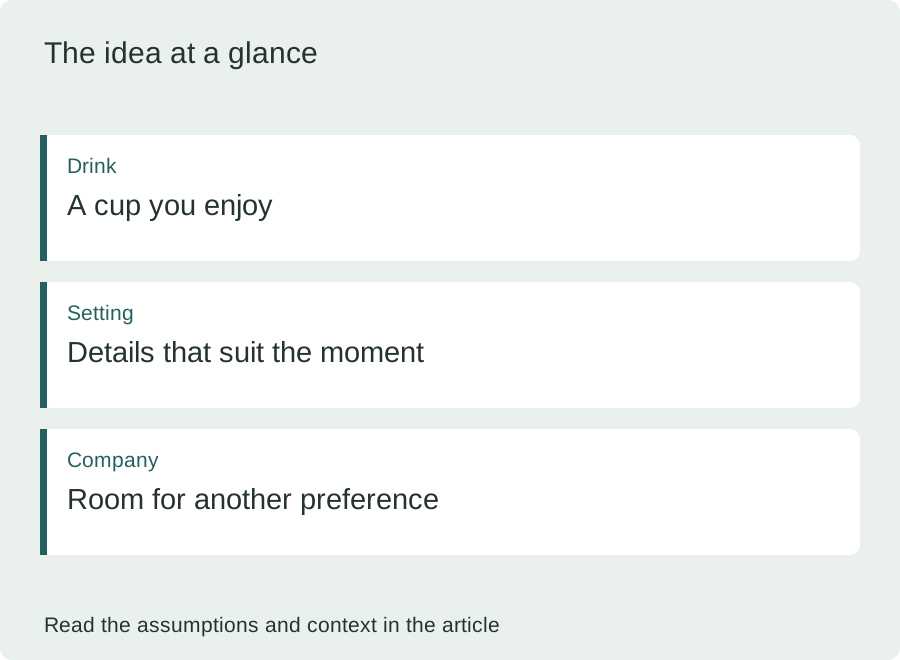
A considered cup is not necessarily an elaborate cup. Knowing what you enjoy can be more satisfying than adding another layer of ceremony.
Complexity and enjoyment are different measures
A demanding technique can be rewarding for someone who likes the process. It can also distract from the drink for someone who wants an easy morning. Neither response establishes better taste. Judge the setup by the experience you want, not by how impressive it sounds when described.
Small choices can be enough
A comfortable cup, an appropriate serving amount and a recipe you enjoy may shape the moment more than another accessory. These are personal choices rather than universal design rules. Notice which details you actually miss when they are absent. That observation is a better guide than a list of things sophisticated people supposedly own.
Hospitality changes the question
When making coffee for someone else, ask what they like. A technically interesting drink is not automatically the most welcoming option. Offering milk, a different strength or a different beverage can matter more than explaining why your preferred recipe deserves appreciation.
A thoughtful host asks one ordinary question
How do you like your coffee? That question can do more for the occasion than a speech about the equipment. Someone may want milk, a smaller serving or a different drink altogether. Making room for that preference does not diminish your own interest in coffee. It gives the knowledge a hospitable purpose. The same principle applies when you are alone: choose the cup and routine that fit the moment. A considered choice can be simple because it has already filtered out the details that do not add anything you value.
Allow simplicity to be intentional
Choosing a familiar method because it works is a decision, not a lack of knowledge. You can enjoy learning about coffee without converting every cup into an experiment. A simple routine may leave more room for conversation, breakfast or the quiet you wanted in the first place.
Practical check: what to observe
Use the questions below to consider your own preferences. This article is an editorial perspective, not a survey or a way to classify other people.
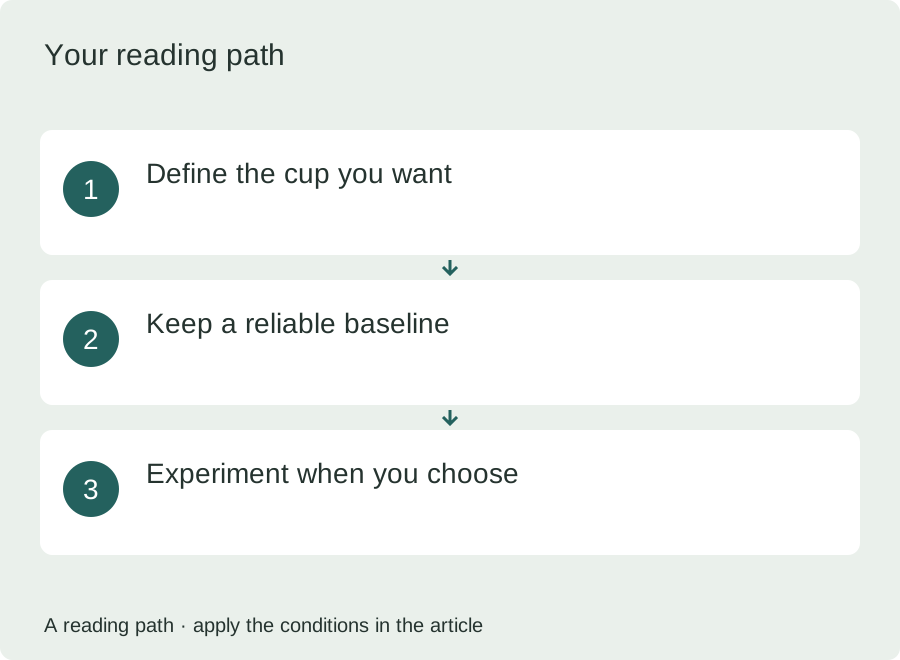
- Name what you enjoy
- Keep the details that matter
- Make room for other preferences
Do people with good taste all drink coffee the same way?
No. That is an attractive headline idea but an unsupported generalization. Preferences depend on context and experience, and no single recipe establishes social refinement.
For more context, see the topic FAQ and glossary. A reference value or example should be read with its units, assumptions and product-specific conditions.
Sources and scope
This is original editorial commentary. Examples of preferences are illustrative, not findings from a survey or psychological study. Read the editorial policy for sourcing, AI assistance and corrections.
Put the explanation to work
Continue reading
Spot a questionable claim or a calculation issue? Read our correction process and contact information. Examples and illustrations are educational; they do not establish product suitability or a laboratory result.