 Cup & Ratio
In pictures
One chart explains espresso dose, yield and brew ratio
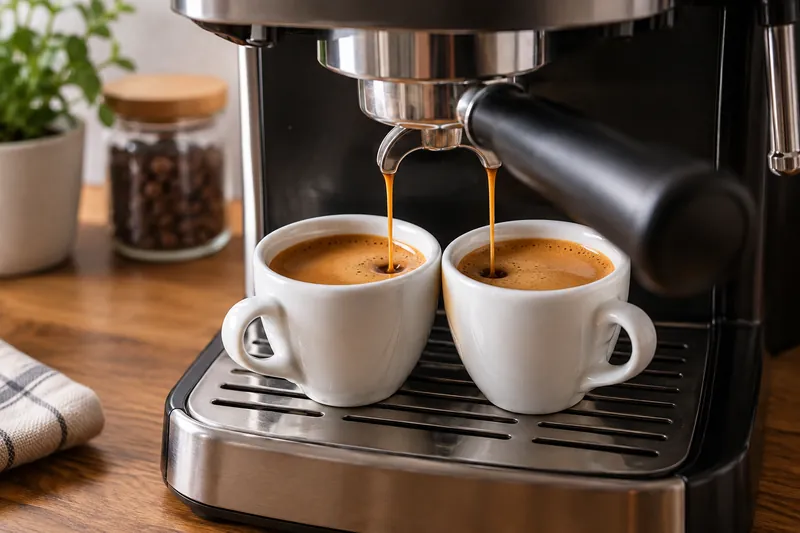
In the examples here, espresso ratio compares dry coffee dose with beverage mass in the cup.
Before you start
In the examples here, espresso ratio compares dry coffee dose with beverage mass in the cup. It does not describe how much water entered the machine.
Put the cup on a scale
Follow a suitable espresso recipe and measure the beverage collected rather than estimating from cup markings or crema height. The dry dose and beverage yield need the same mass unit. A scale does not judge flavor, but it makes the recipe more clearly reproducible.
Calculate from a fixed dose
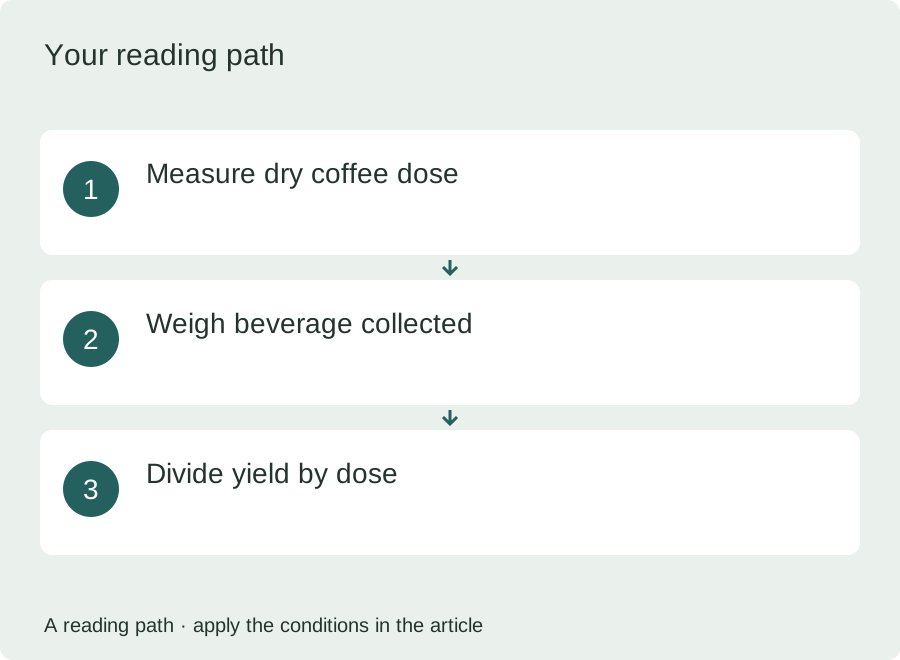
With an 18 g dry dose, a 1:2 recipe corresponds to 36 g of beverage. At 1:2.5 it corresponds to 45 g, and at 1:3 to 54 g. These are arithmetic examples, not instructions that every basket or coffee should use an 18 g dose or any particular ratio.
Read a recorded shot backward
If you record 18 g in and 40 g out, divide 40 by 18 to obtain approximately 2.22. The ratio is about 1:2.22 by mass. Writing the actual quantities is often clearer than rounding the result into a familiar category and losing information about what happened.
Distinguish yield from the drink you finally serve
If an espresso recipe uses 18 g dry coffee and produces 36 g of espresso, the brew ratio in this article is 1:2. Adding milk or water afterward creates a different final drink mass but does not change the recorded espresso yield. Keep those additions in a separate part of the recipe. This helps when comparing shots used in milk drinks: otherwise the serving size can obscure what happened during extraction. It also prevents a common mismatch when entering tool values, where final beverage mass including additions is accidentally used as though it were the undiluted espresso output.
Keep ratio separate from a quality verdict
Different yields can produce different cups, and timing, grind, preparation and coffee all matter. Use the basket and machine within their instructions. Compare recipes with tasting notes instead of declaring a ratio inherently correct. A number is a description of the brew, not an award for the cup.
Practical check: what to observe
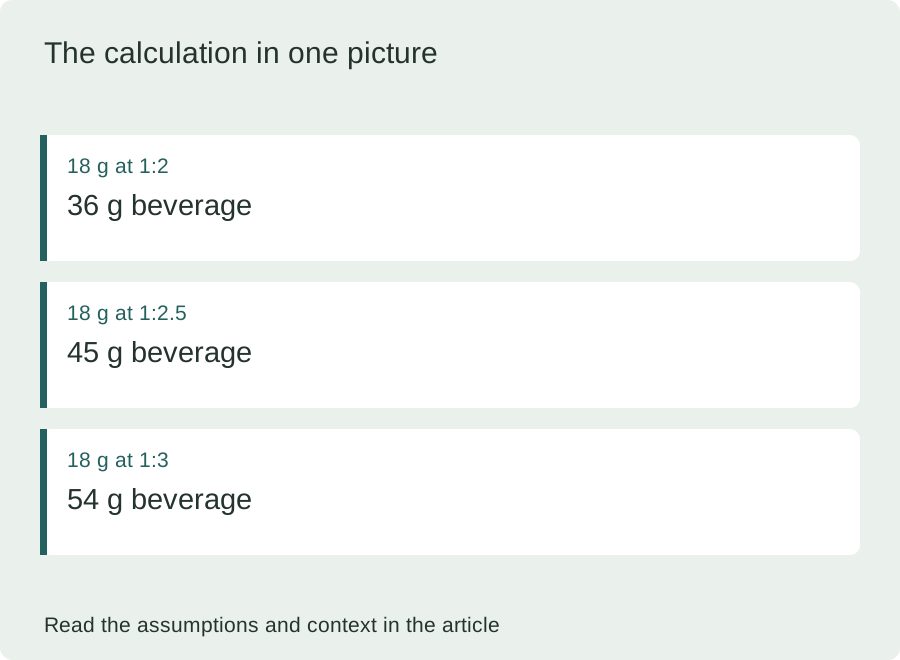
Work through the numbers using the stated units. The examples are illustrative; changing an input or an assumption can change what the result means.
- Measure dry coffee dose
- Weigh beverage collected
- Divide yield by dose
Can I substitute milliliters for grams in these examples?
Not without changing the measurement. The examples use mass, and crema makes volume readings particularly easy to misinterpret. Record the unit you actually measured.
For more context, see the topic FAQ and glossary. A reference value or example should be read with its units, assumptions and product-specific conditions.
Sources and scope
The numerical examples use the arithmetic and assumptions shown in the article. They are hypothetical illustrations, not measurements of a tested product. Read the editorial policy for sourcing, AI assistance and corrections.
Put the explanation to work
Continue reading
Spot a questionable claim or a calculation issue? Read our correction process and contact information. Examples and illustrations are educational; they do not establish product suitability or a laboratory result.