 Cup & Ratio
Explainers
Coffee storage: the questions to ask before buying another container
A storage container should solve a specific problem in your routine.
Before you start
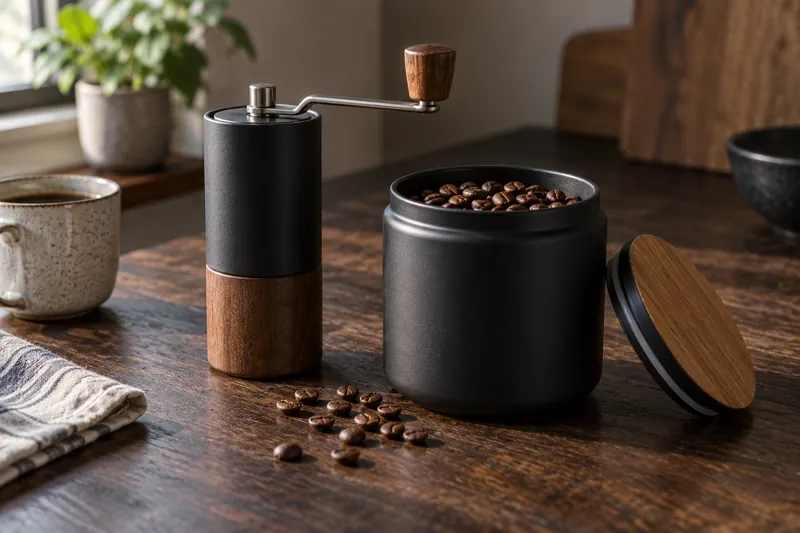
A storage container should solve a specific problem in your routine. Start with the coffee’s packaging guidance, your pace of use and where the bag currently lives.
Read the supplied storage guidance
Follow the roaster or manufacturer’s directions for the particular coffee and packaging. Keep identifying information when moving coffee into another container. Losing the label can make it harder to distinguish bags, track a concern or repeat a cup you enjoyed.
Describe the practical problem
Are you dealing with an awkward closure, too little cupboard space or confusion between several coffees? A container can help organization without proving a flavor improvement. Define what you want to change before buying a device with an impressive technical name.
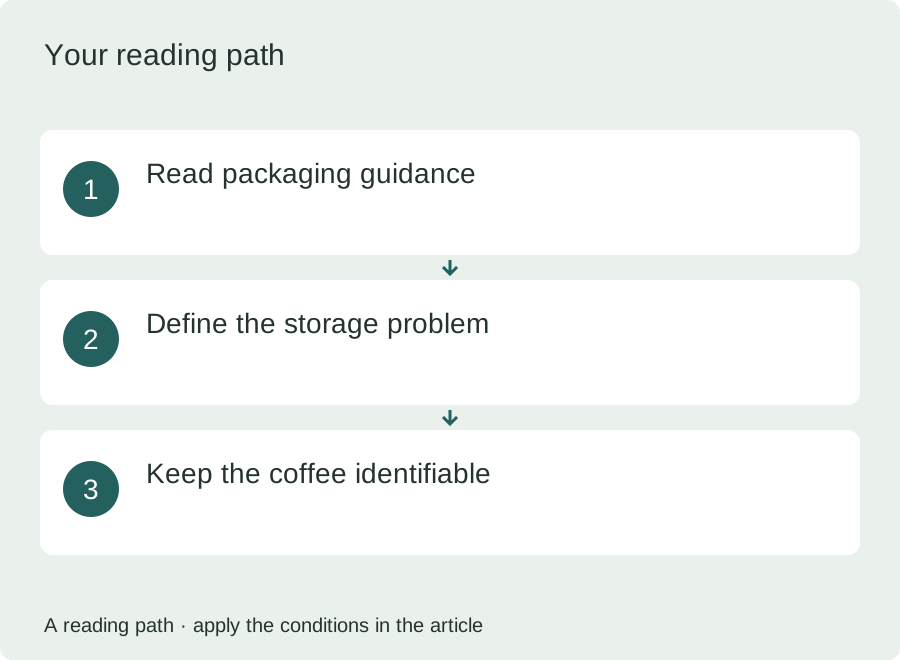
Keep any comparison fair
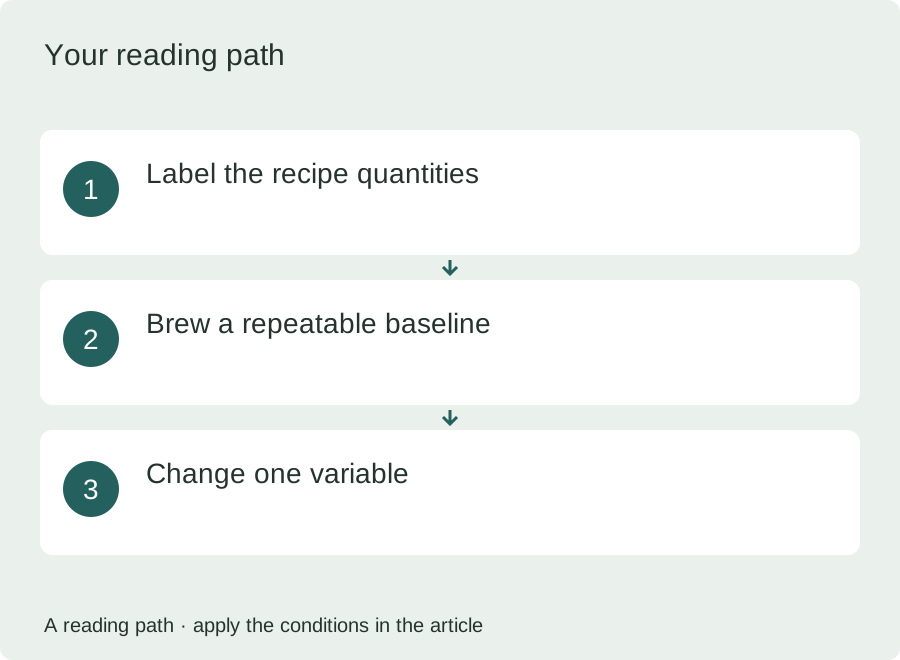
If you compare storage approaches, use the same coffee and a repeatable brewing method, and record the conditions. A different bag, recipe or tasting temperature can obscure what the container changed. Avoid claiming a precise freshness extension from a casual comparison or a single memorable cup.
Solve the organizational problem first
Imagine that two opened bags live in identical unlabeled containers. A new storage device might not improve the main difficulty: you cannot reliably tell which coffee produced yesterday’s cup. Keep the package information with the container and record when it was transferred if that helps your routine. Then assess whether the closure, location and amount stored follow the supplier’s guidance. This modest change can improve repeatability without any claim about extending freshness. Define that organizational benefit separately from a sensory or shelf-life claim, which would need a different kind of evidence.
Do not adopt a universal calendar
Coffee, packaging and personal preference vary. A rigid number of days copied from an unrelated bag can create false certainty. Use the supplier’s guidance and your actual routine. If you consider freezing or another special approach, first establish an appropriate procedure for packaging and handling rather than improvising between open containers.
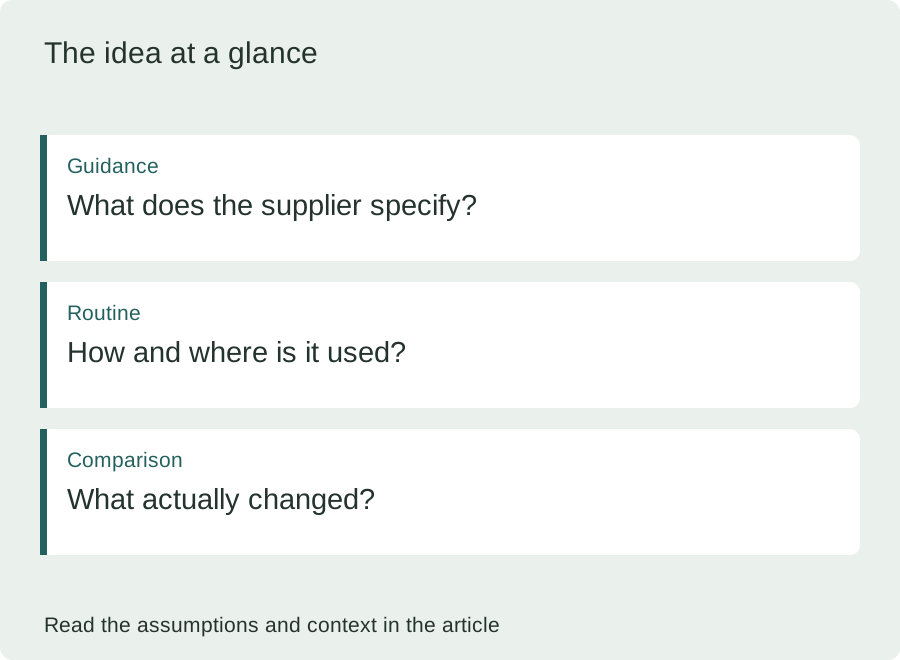
Practical check: what to observe
Start with the situation described in this article, then follow the applicable product instructions. Keep a short note of what you observe so a later decision has context.
- Read packaging guidance
- Define the storage problem
- Keep the coffee identifiable
Does an expensive canister prove longer freshness?
No. A product claim needs evidence under relevant conditions. Convenience and organization may be useful benefits even when you have not established a flavor difference.
For more context, see the topic FAQ and glossary. A reference value or example should be read with its units, assumptions and product-specific conditions.
Sources and scope
The reading below provides context for the relevant care or brewing principles. The article’s scenarios and decision questions are original editorial explanations, not independent product tests. Read the editorial policy for sourcing, AI assistance and corrections.
Put the explanation to work
Continue reading
Spot a questionable claim or a calculation issue? Read our correction process and contact information. Examples and illustrations are educational; they do not establish product suitability or a laboratory result.