 Cup & Ratio
Explainers
Pour-over or immersion? Choose the routine you want to repeat
The choice is about more than equipment appearance.
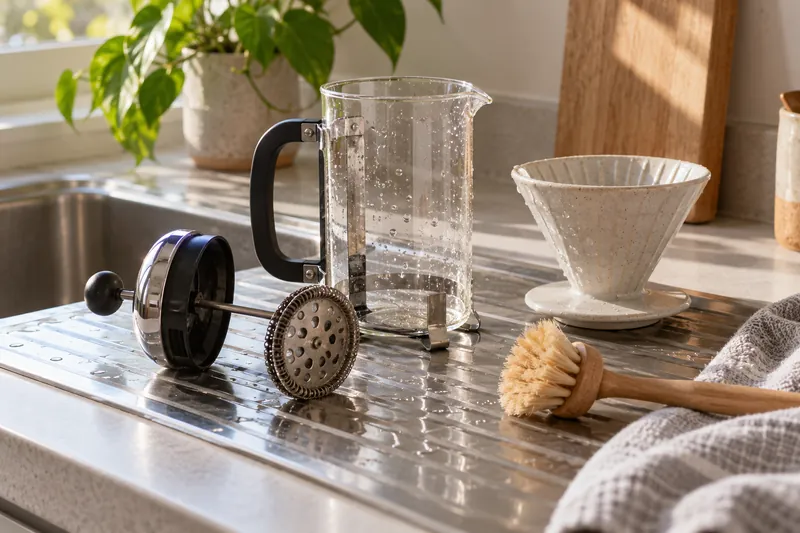
Before you start
The choice is about more than equipment appearance. Think about the actions, attention and cleanup that fit your morning.
Describe the process in plain language
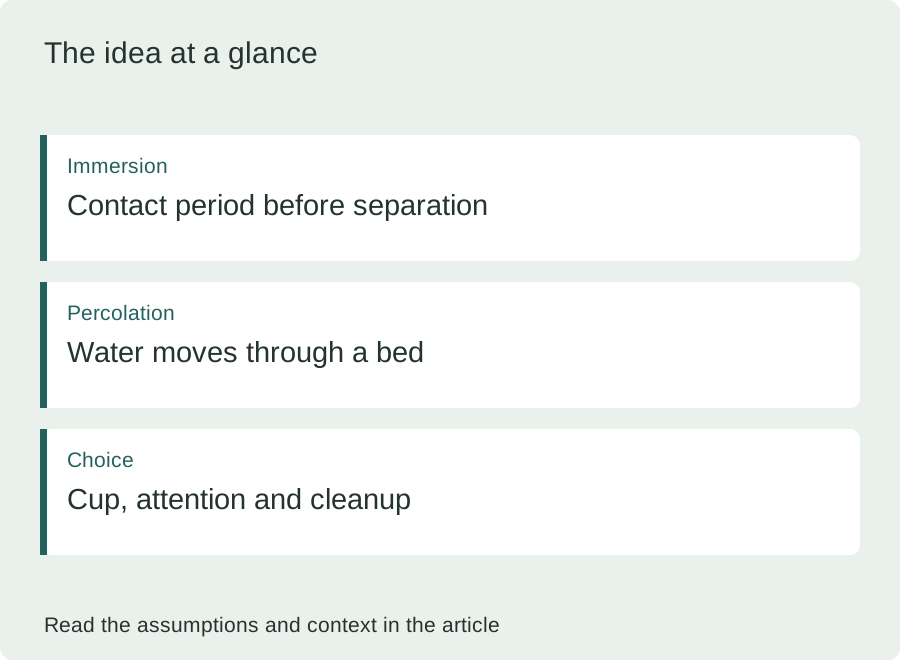
In an immersion method, coffee and water remain in contact for a period before separation. In a percolation method such as many pour-overs, water passes through a bed. Some brewers combine elements of both. These broad categories help explain the workflow without predicting every cup from the category alone.
Count the active steps
Read a complete recipe for each method and note where your attention is needed. Pouring patterns, stirring, timing and separation can ask different things of you. A method that feels calming on a weekend may feel awkward on a rushed weekday. That difference is a valid reason to choose another routine.
Include serving and cleanup
Consider how much coffee you need, the vessel used to serve it and how the equipment is cleaned according to its instructions. A compact brewer is not automatically the most convenient complete setup. Think through the whole process on the counter you actually have.
Compare a weekday and a weekend
Describe the morning you are designing for. On a weekday, you may need a method whose active steps fit around breakfast. On a weekend, you may enjoy following a more involved pouring sequence. You do not need to choose one method as a permanent identity. Compare suitable recipes and complete workflows for both occasions, including serving and cleanup. The most useful brewer is the one that fits the intended situation. A method can be technically interesting and still be the wrong match for the amount of attention you want to give it at a particular time.
Try a repeatable baseline
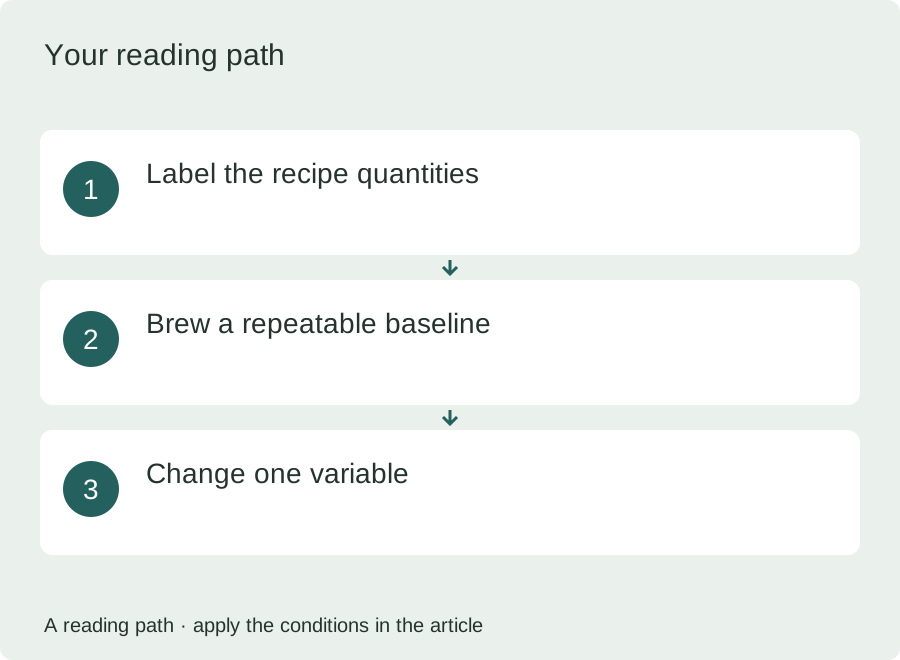
If you can access both methods, compare suitable recipes with the same coffee and clear notes. Do not call one superior because the other was brewed with an unfamiliar or unsuitable recipe. Your preferred workflow and cup can guide the decision without becoming a universal ranking of brewing styles.
Practical check: what to observe
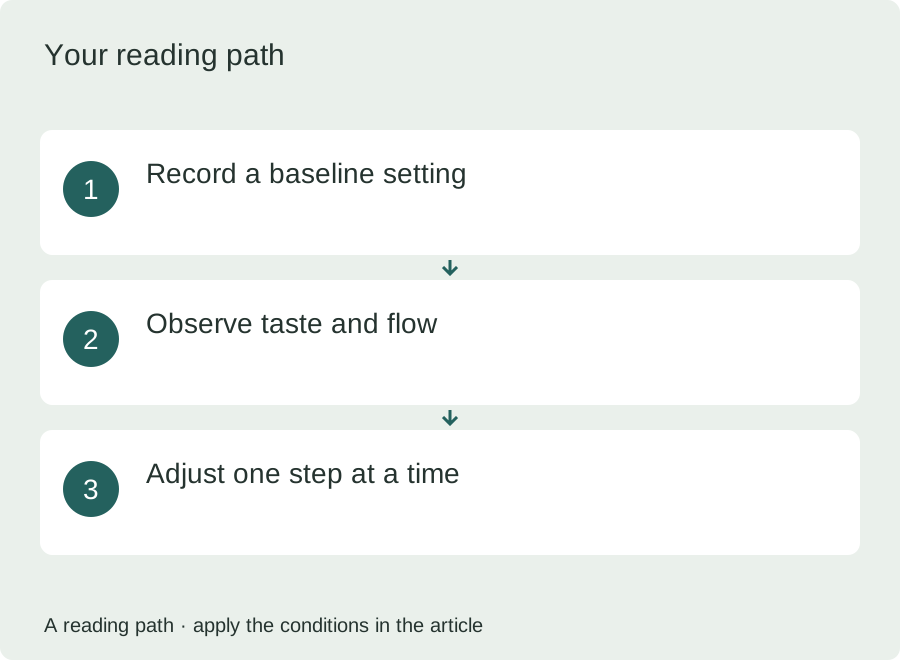
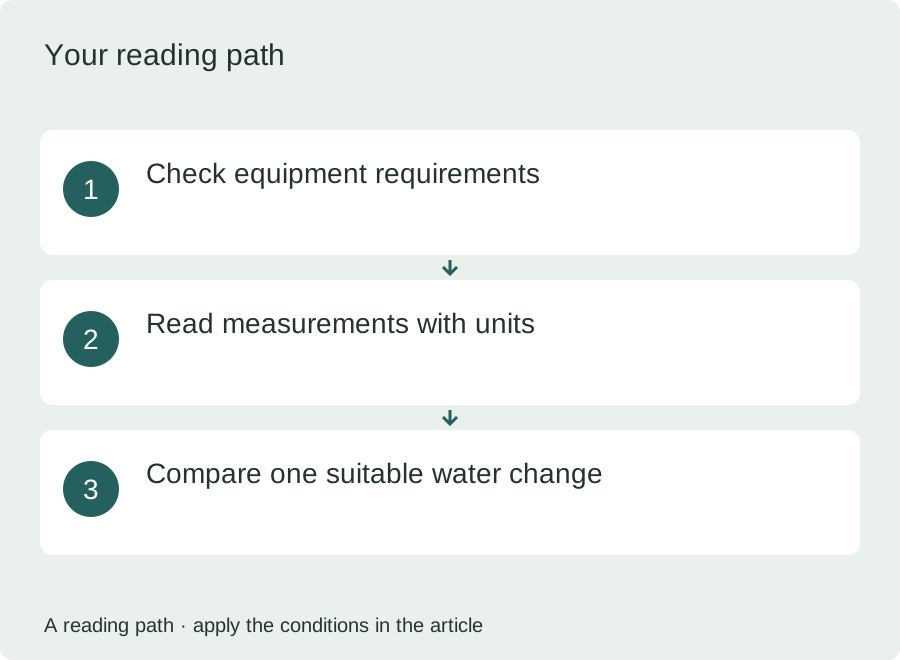
Start with the situation described in this article, then follow the applicable product instructions. Keep a short note of what you observe so a later decision has context.
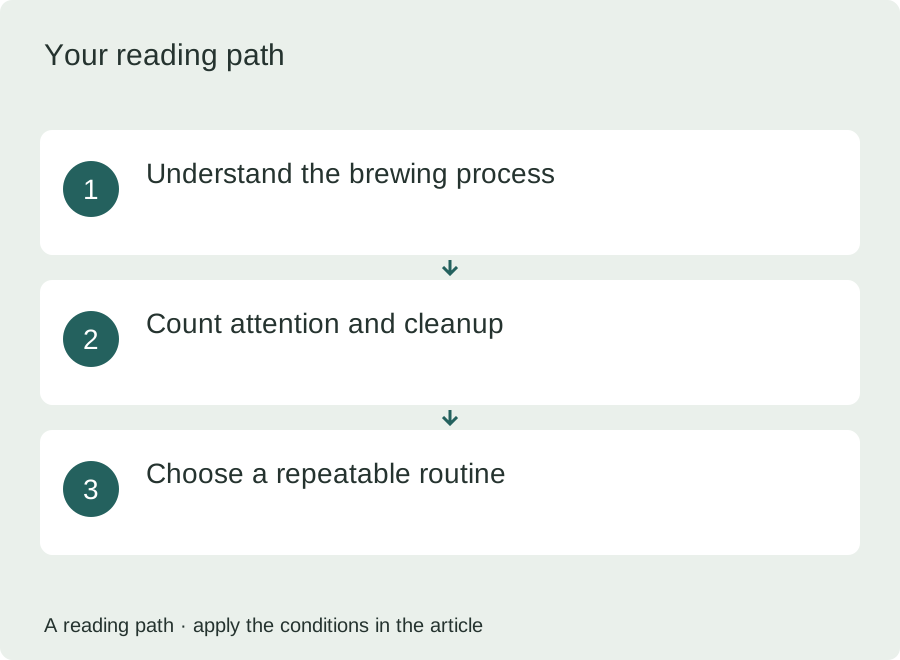
- Understand the brewing process
- Count attention and cleanup
- Choose a repeatable routine
Is immersion always easier for a beginner?
It may suit some routines, but the specific brewer and recipe matter. Read the whole process and choose the actions you can repeat comfortably.
For more context, see the topic FAQ and glossary. A reference value or example should be read with its units, assumptions and product-specific conditions.
Sources and scope
The reading below provides context for the relevant care or brewing principles. The article’s scenarios and decision questions are original editorial explanations, not independent product tests. Read the editorial policy for sourcing, AI assistance and corrections.
Put the explanation to work
Continue reading
Spot a questionable claim or a calculation issue? Read our correction process and contact information. Examples and illustrations are educational; they do not establish product suitability or a laboratory result.