 Cup & Ratio
Explainers
Strong, bitter or just concentrated? Why the difference matters
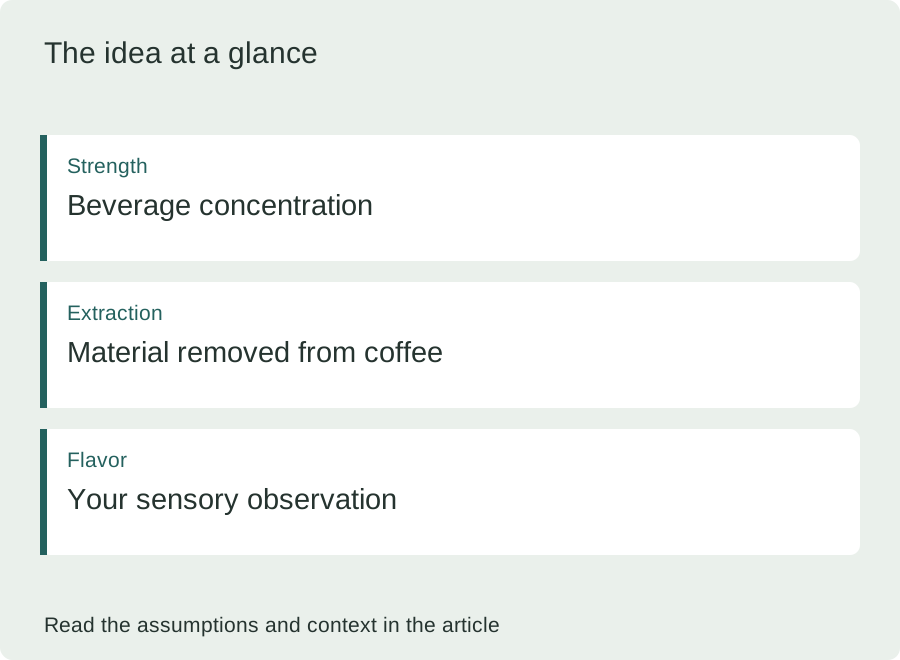
Strong is an ambiguous tasting note.

Before you start
Strong is an ambiguous tasting note. Naming whether you mean intensity, bitterness or a drying sensation makes the next adjustment more useful.
Begin with a more precise description
Taste the cup and write a short observation without diagnosing it immediately. Very intense, sharply bitter and drying are different descriptions. They can coexist, but a single word hides the distinction. Avoid treating one sensation as automatic proof of one extraction problem.
Use dilution as a limited comparison
For an appropriate brewed coffee, compare a small sample with a second sample diluted by a measured amount of suitable water. The diluted sample is less concentrated. That comparison can help you describe intensity, but it does not reproduce a different brewing process or establish the original extraction yield.
Keep the recipe history visible
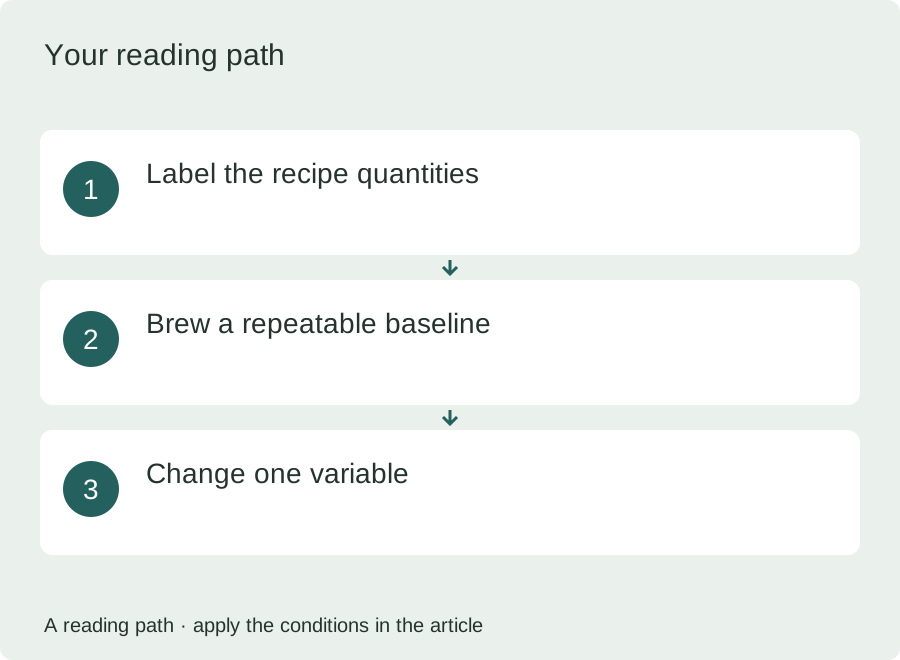
Review dose, beverage or water mass, grind and technique. An accidental quantity change may explain a surprising cup more directly than a theory about the coffee. Check that the beans and method were comparable before judging a small adjustment. One rushed brew is a weak foundation for a sweeping conclusion.
Keep the dilution example narrow
Imagine splitting a brewed coffee into two samples and adding a measured amount of suitable water to one. If the diluted sample is easier to enjoy, you have learned something about your preference for concentration in that comparison. You have not measured the amount extracted from the original grounds or proved a particular grind adjustment will reproduce the same result. That distinction matters because a useful sensory exercise can easily be oversold as a diagnosis. Keep the note honest: what you changed, what you perceived and which question remains open for the next brew.
Choose the next test deliberately
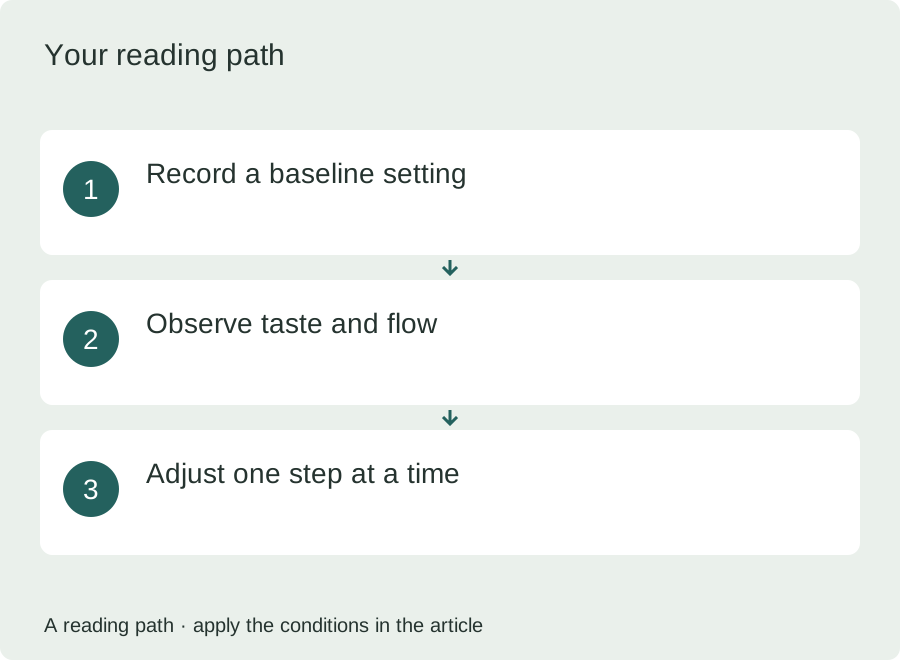
If concentration is the issue, consider a recipe change that addresses it within your brewing method. If an unpleasant quality remains across the comparison, investigate the process and coffee more broadly. Change one variable and keep a short note. The goal is a cup you enjoy, not forcing every result into a fixed flavor diagram.
Practical check: what to observe
Start with the situation described in this article, then follow the applicable product instructions. Keep a short note of what you observe so a later decision has context.
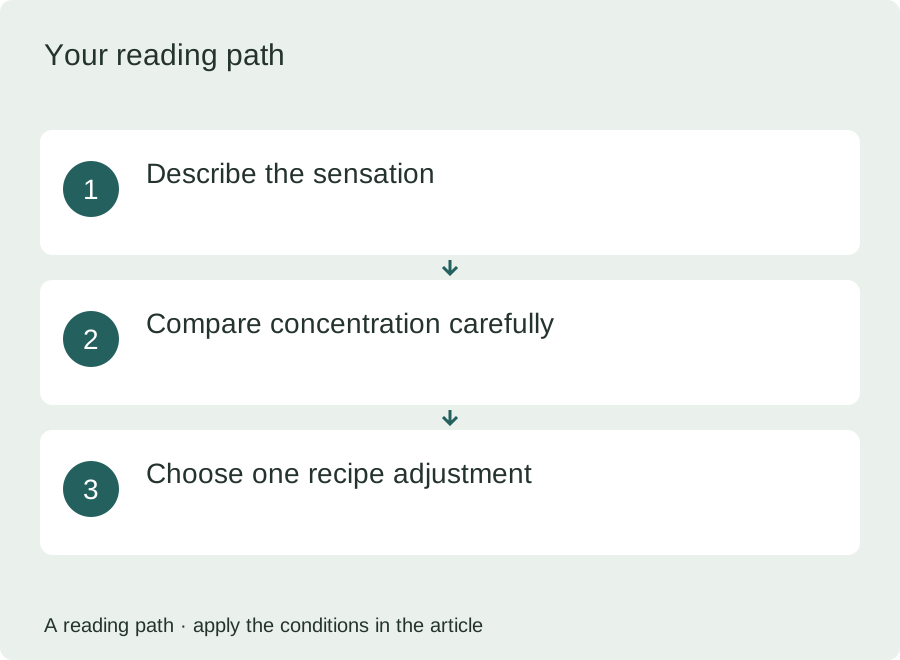
- Describe the sensation
- Compare concentration carefully
- Choose one recipe adjustment
Does adding water fix poor extraction?
It changes concentration, but it does not undo the extraction process. It may make a drink more pleasant to you without identifying or resolving the original brewing cause.
For more context, see the topic FAQ and glossary. A reference value or example should be read with its units, assumptions and product-specific conditions.
Sources and scope
The reading below provides context for the relevant care or brewing principles. The article’s scenarios and decision questions are original editorial explanations, not independent product tests. Read the editorial policy for sourcing, AI assistance and corrections.
Put the explanation to work
Continue reading
Spot a questionable claim or a calculation issue? Read our correction process and contact information. Examples and illustrations are educational; they do not establish product suitability or a laboratory result.