 Cup & Ratio
Explainers
Why grind size matters more than the number on the dial
A grinder setting is a repeatable reference on your equipment.
Before you start
A grinder setting is a repeatable reference on your equipment. Its practical value is the result it produces with your coffee and brewing method.
Think about the particles in the brew
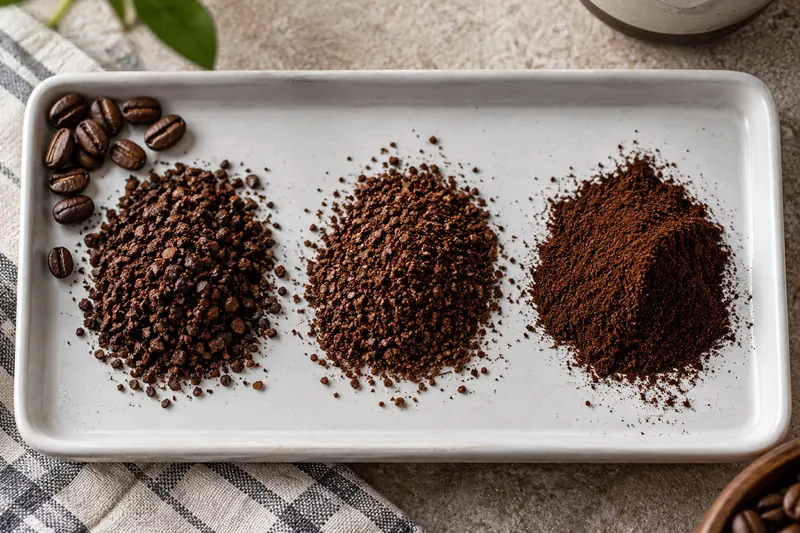
Changing the grind changes the particles exposed to water and can affect how water moves through a coffee bed. The effect depends on the method and distribution of particle sizes. One dial number cannot describe every particle, and a visual comparison does not provide a calibrated distribution.
Start with a method-specific baseline
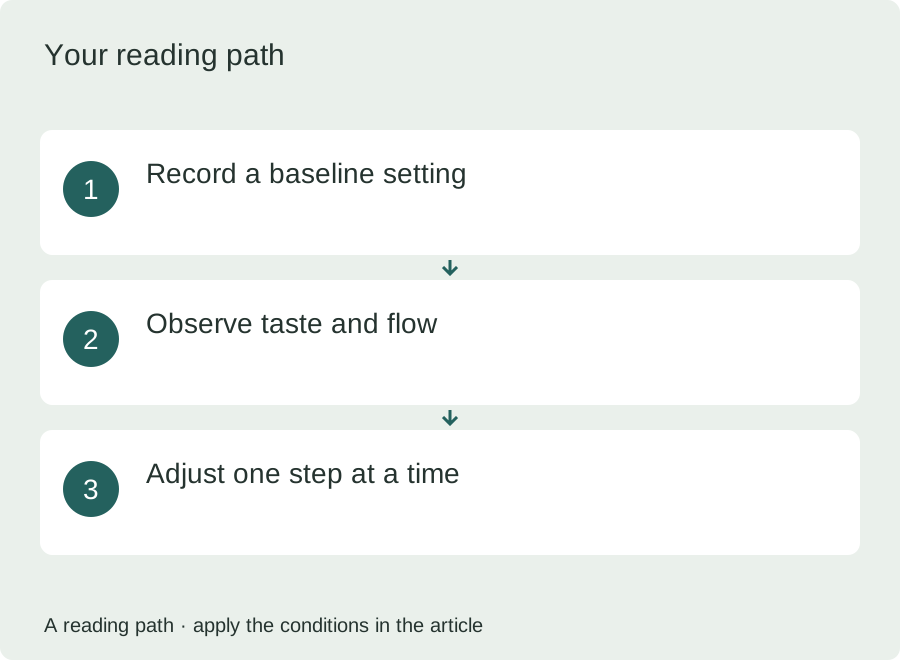
Use a recipe suited to your brewer and a sensible starting setting for your grinder. Record that setting with dose, water and the main brewing steps. A recommendation for espresso is not automatically transferable to a pour-over, even if both use the same beans.
Read the result in context
Consider taste, flow and whether the brew followed the intended procedure. Time is an observation, not a complete quality score. A longer brew can arise for several reasons, so avoid diagnosing the grind from time alone. Check that dose, filter and pouring were comparable before deciding what to change.
Give the adjustment a question to answer
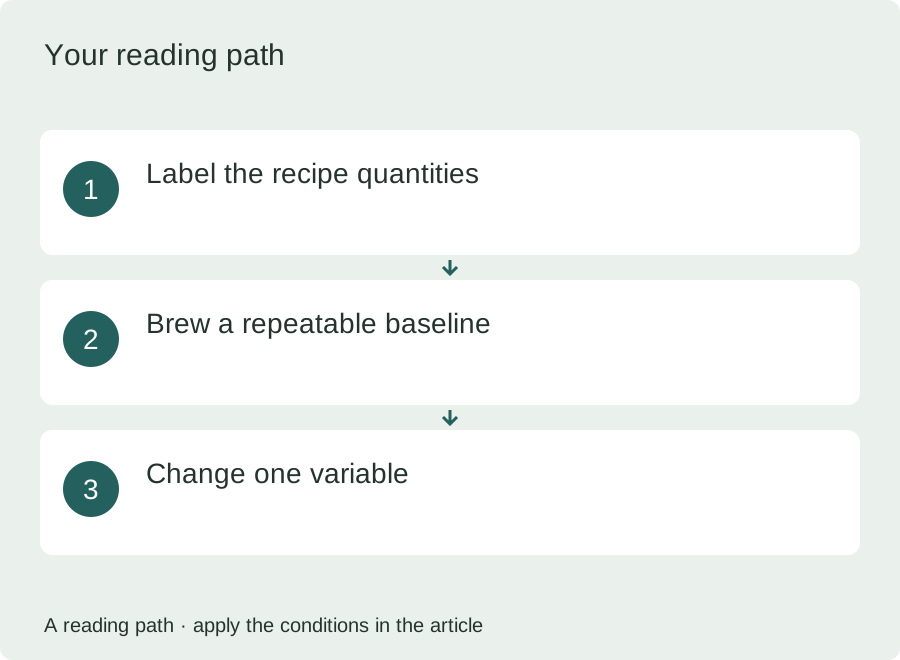
Suppose a recipe is repeatable but the cup is not moving toward the result you want. Record the current setting and choose one nearby permitted adjustment. Ask a specific question: does this change make the cup more enjoyable under the same recipe? Keep a separate note about flow or time so an observation does not become a diagnosis by itself. If the pouring or dose also changes, mark that attempt as a different comparison. A useful grinder log connects a setting to conditions and a result; it does not turn every cup into proof of a universal grind rule.
Adjust in a controlled way
Change the grind by a manageable amount and follow the grinder’s directions for adjustment. Keep the rest of the recipe steady enough to compare. Record whether the cup moved toward your intended result. The aim is a useful relationship between your setting and your cup, not the most impressive-looking dial number.
Practical check: what to observe
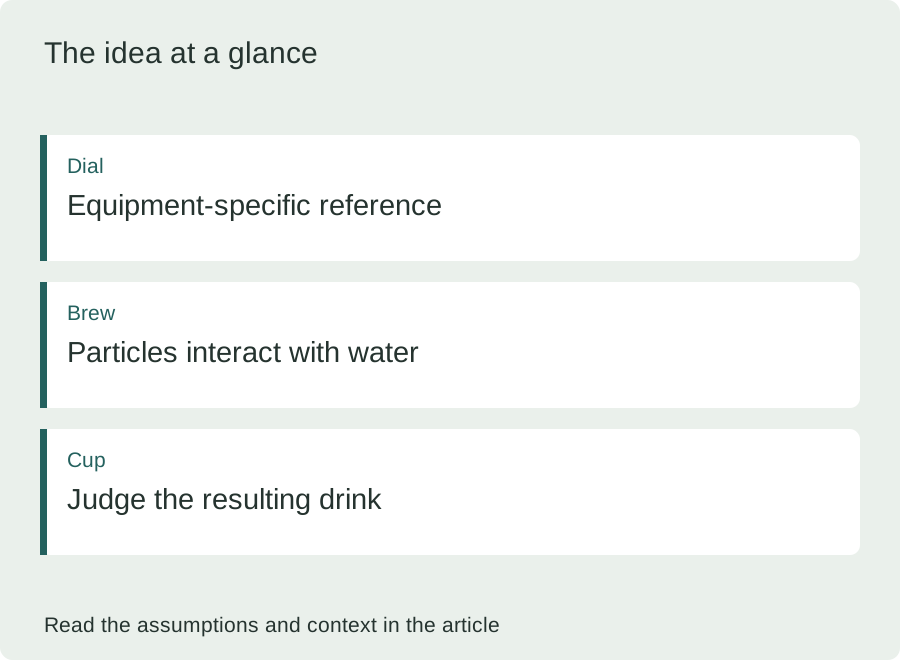
Start with the situation described in this article, then follow the applicable product instructions. Keep a short note of what you observe so a later decision has context.
- Record a baseline setting
- Observe taste and flow
- Adjust one step at a time
Can I copy a setting from a different grinder?
Treat it as an informal clue at most. Different models, calibration and wear mean equal dial numbers do not establish equal particle distributions.
For more context, see the topic FAQ and glossary. A reference value or example should be read with its units, assumptions and product-specific conditions.
Sources and scope
The reading below provides context for the relevant care or brewing principles. The article’s scenarios and decision questions are original editorial explanations, not independent product tests. Read the editorial policy for sourcing, AI assistance and corrections.
Put the explanation to work
Continue reading
Spot a questionable claim or a calculation issue? Read our correction process and contact information. Examples and illustrations are educational; they do not establish product suitability or a laboratory result.