 Cup & Ratio
Explainers
Why water matters even when the coffee is excellent
Water belongs in both the recipe and the equipment-care plan.
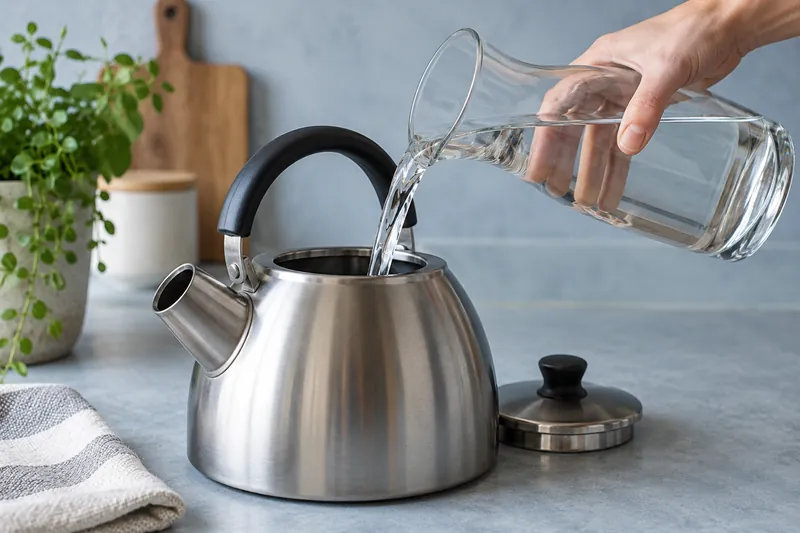
Before you start
Water belongs in both the recipe and the equipment-care plan. A water choice that suits taste still needs to respect the brewer manufacturer’s limits.
Separate taste from machine suitability
The water you enjoy in a cup and the water a particular machine permits are related questions with different evidence. Consult the machine documentation before changing water treatment or adding minerals. Do not assume a popular brewing recipe is approved for every boiler, material or warranty condition.
Know what a measurement describes
Hardness, alkalinity and total dissolved solids are not interchangeable labels. A simple conductivity-based meter does not identify each dissolved substance. Read the units and method on any report or test. A lone number without context can create confidence without answering the question you actually need to resolve.
Make a practical comparison
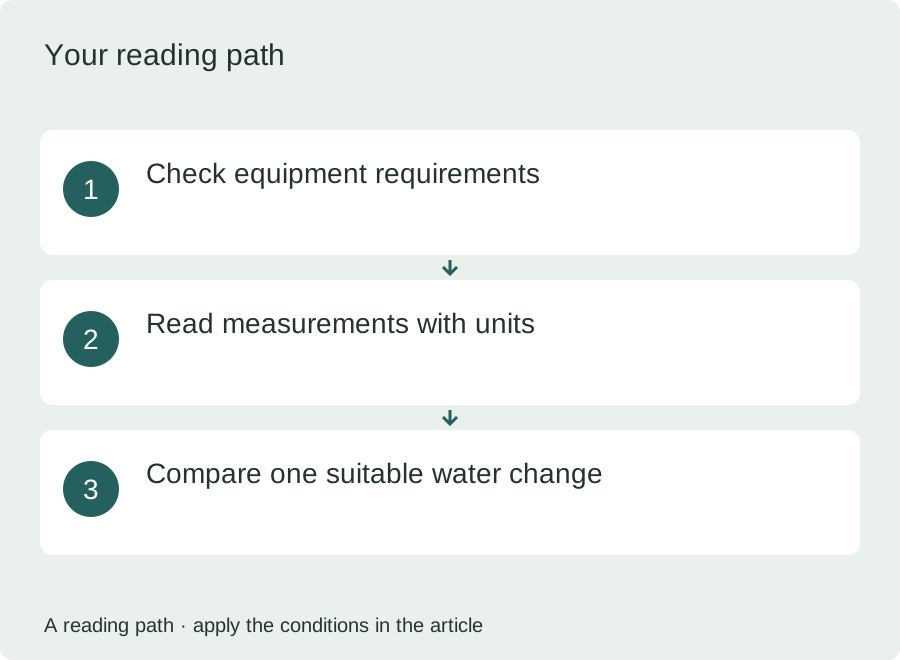
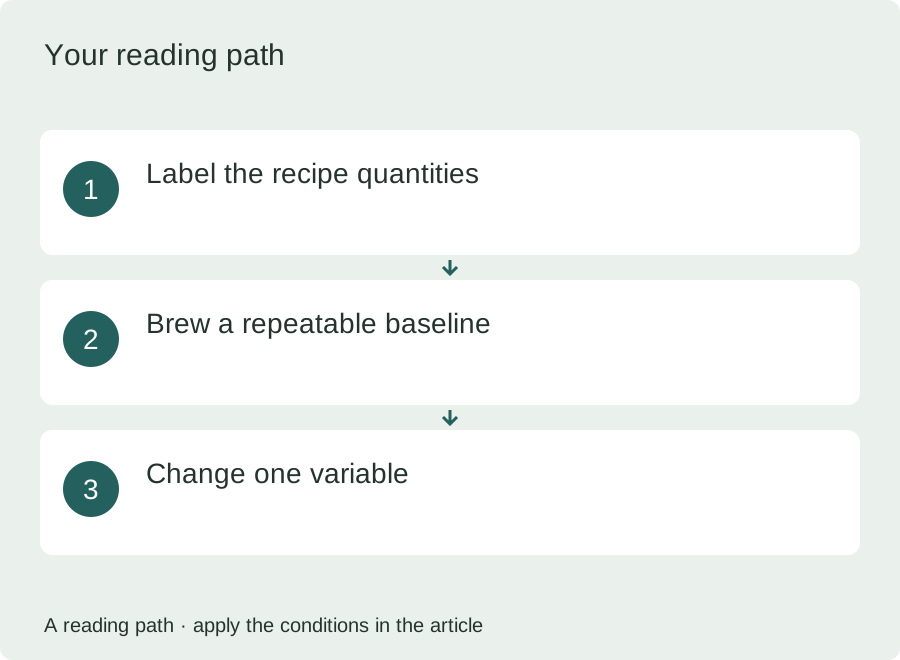
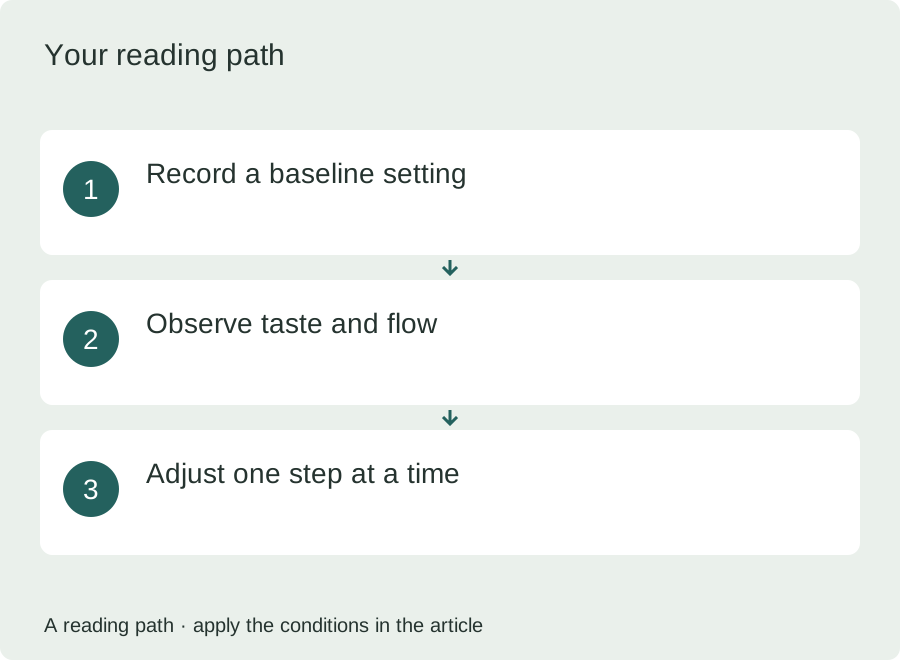
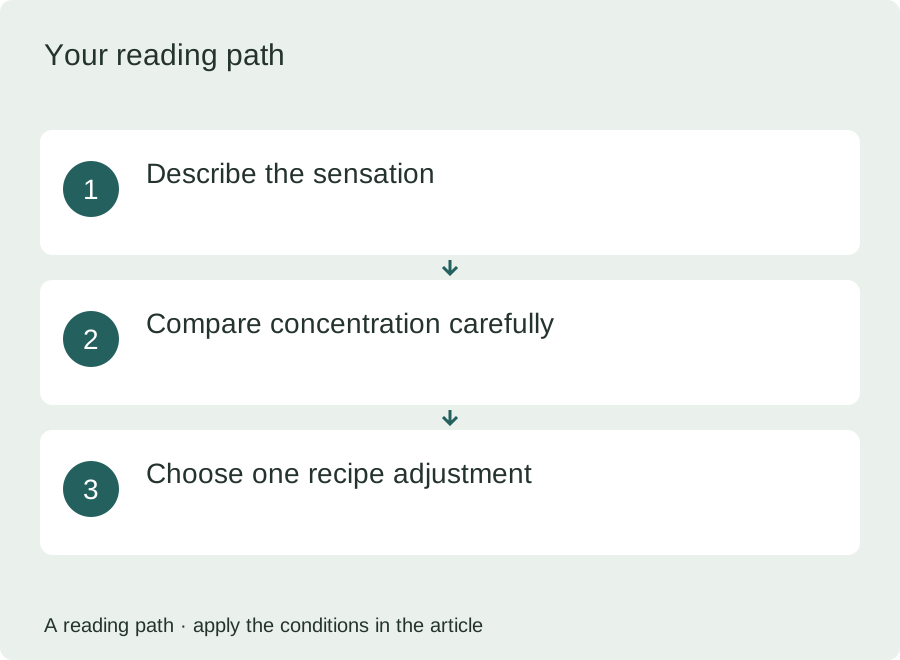
When the water choices are suitable for the equipment, compare the same coffee and recipe using one change at a time. Label the cups and note the difference you perceive. This is a household comparison, not a controlled chemical study. Avoid assigning a specific mineral cause without the measurements needed to support it.
Read a water label without filling in the blanks
If a bottle or report provides some mineral values but omits a measurement you need, leave that field unknown. Do not assume an attractive total dissolved solids number establishes a particular alkalinity or guarantees machine compatibility. Record the unit and the source of each value. This is especially important when comparing a reference recipe with your own water: two similar headline numbers can hide different compositions. When the machine manual requires a specification you cannot establish, ask the manufacturer or use a suitable verified source rather than asking a calculator to supply missing evidence.
Keep homemade recipes within their scope
Our water reference tool explains quantities and assumptions, but an output is not machine approval. Ingredient identity, concentration and measurement all matter. If you cannot verify those details, do not treat an online recipe as a substitute for manufacturer guidance. A clear, suitable source of water is a better starting point than an unexplained mixture.
Practical check: what to observe
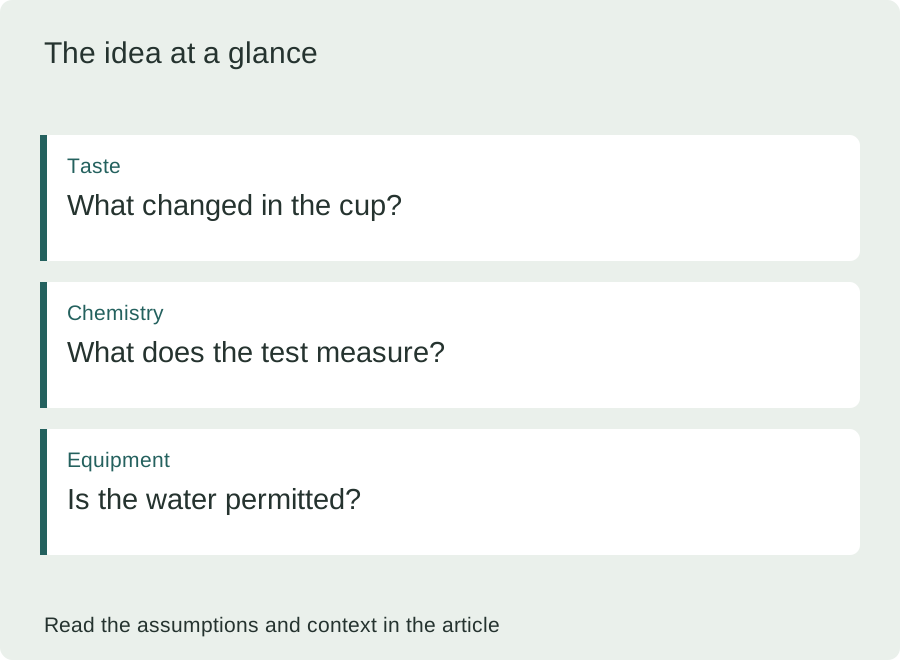
Start with the situation described in this article, then follow the applicable product instructions. Keep a short note of what you observe so a later decision has context.
- Check equipment requirements
- Read measurements with units
- Compare one suitable water change
Does a TDS meter tell me the full mineral recipe?
No. A reading alone does not identify all dissolved components or distinguish hardness from alkalinity. Use the appropriate measurement for the question.
For more context, see the topic FAQ and glossary. A reference value or example should be read with its units, assumptions and product-specific conditions.
Sources and scope
The reading below provides context for the relevant care or brewing principles. The article’s scenarios and decision questions are original editorial explanations, not independent product tests. Read the editorial policy for sourcing, AI assistance and corrections.
Put the explanation to work
Continue reading
Spot a questionable claim or a calculation issue? Read our correction process and contact information. Examples and illustrations are educational; they do not establish product suitability or a laboratory result.